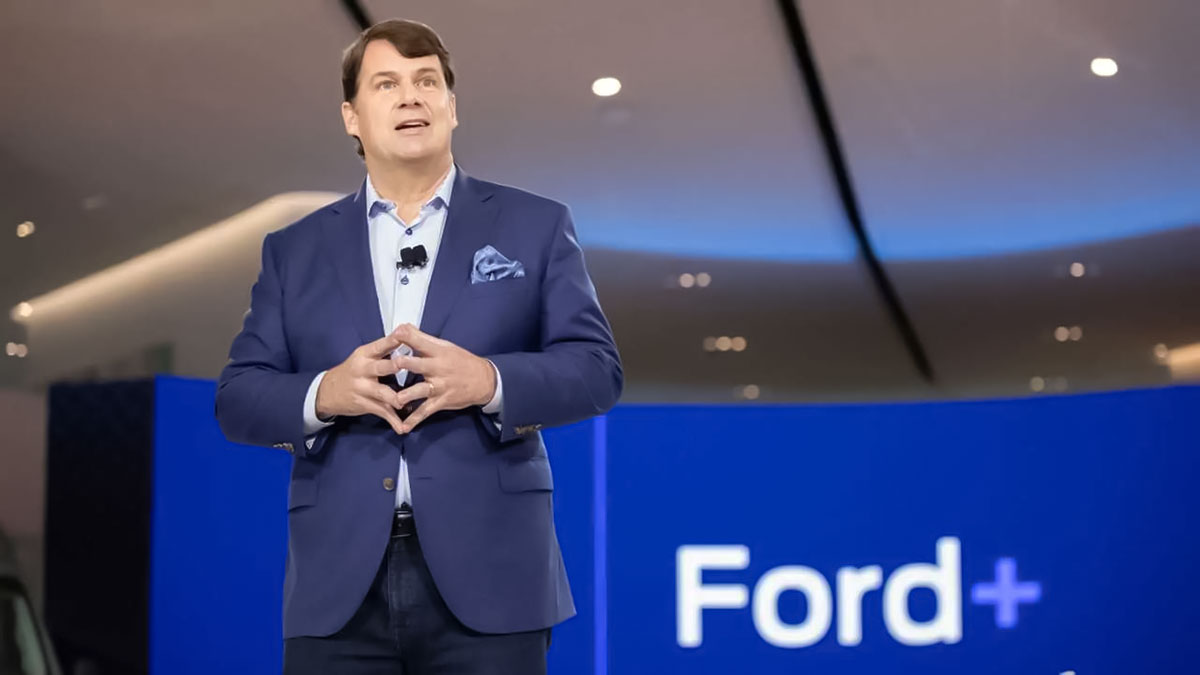
Ford is about to unveil a major shift in its electric vehicle strategy. CEO Jim Farley has described the shift as a “Model T moment.” The phrase is a direct reference to the revolution that the Model T sparked last century. You may know that Ford made cars accessible to the masses by mass-producing the model. With that in mind, Ford is likely to be looking at a new path to mass-producing and affordable electric vehicles.
Profitability is a top priority; but innovation is on the horizon
“Our strategy is very simple: focus on profitability in specific segments of electric vehicles,” Ford said in its most recent earnings call. That approach could mean focusing on affordable, high-selling electric vehicles, similar to how the low-cost, mass-produced Model T propelled Ford to its peak in the early 20th century.
Falling behind China; A frank confession
In recent years, Ford’s CEO has repeatedly praised Chinese car technology and even talked about the good feeling of driving the Xiaomi SU7 electric model. He described the car as “amazing” and added that it was hard for him to leave it.
In a recent meeting, Mr. Farley made it clear that Ford’s main competition in the future will be with Chinese companies such as BYD and Geely, not traditional American and European automakers. According to him, the only way to effectively compete with the Chinese on a global level is to fundamentally overhaul the supply chain and the production process of electric cars.
Reviewing the entire supply chain
Ford plans to fundamentally overhaul all processes related to the production of electric cars, from the supply of components to the final assembly. This is done with the aim of competing with the advanced technology and low cost of Chinese automakers. Farley emphasized the need for strategic partnerships and said that apart from architecture, it is becoming increasingly difficult to differentiate electric cars, so we must move towards strategic alliances.
Tariffs are a barrier to global growth
Another major challenge facing Ford is the structure of import tariffs and regional regulations on electrification and emissions. Mr. Farley predicts that the auto market will move more regionally. For example, the US auto import tariff has been reduced from 25% to 15%, which he sees as an “opportunity” for Ford.
Although the company is taking about $2 billion in additional costs from tariffs each year, Mr. Farley still hopes that Ford can use its position as one of America’s largest entrepreneurial companies to get policy concessions and create a competitive advantage.
Adapt or perish
Ford’s new strategy for electric vehicles reflects the reality of today’s auto industry. In the current environment, traditional companies must quickly adapt their production methods, supply chains and even product philosophies to global market developments. Therefore, Ford’s new strategy could be the beginning of a new chapter; a chapter that may once again make this automaker a symbol of transformation in the automotive industry.