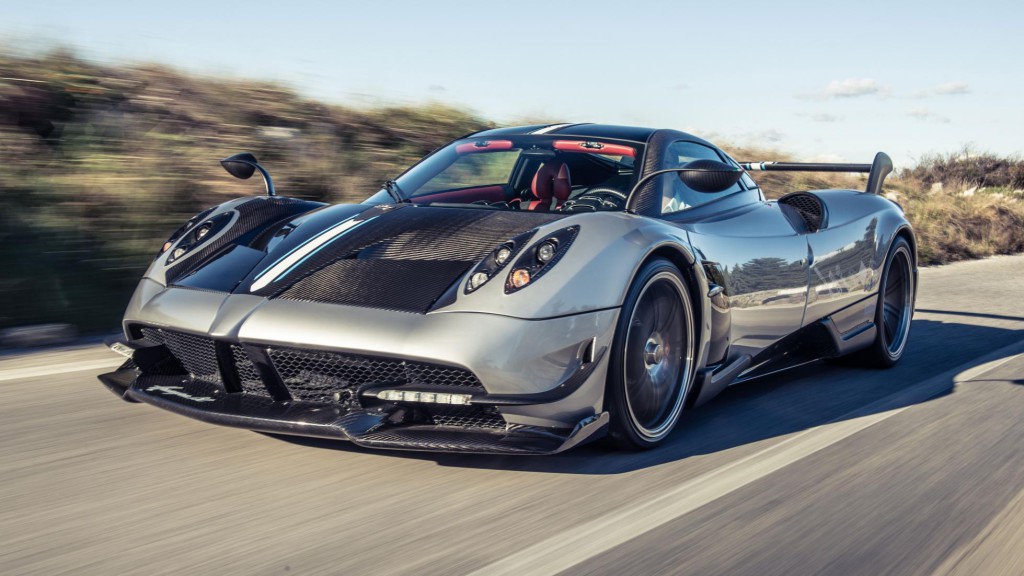
While electric cars are taking over the market with their incredible speed and power, electric supercars have faced an unexpected problem: a lack of demand. Advances in electric powertrain technology have brought the power and acceleration once reserved for expensive supercars to affordable cars. For example, the Hyundai Ioniq 5N, with 641 horsepower and a 0-60 mph time of 3.4 seconds, costs just $68,000. This has made it difficult for buyers to justify spending millions on electric supercars like the Rimac Nora or similar. One of the most important features of supercars has been their exclusive power and performance, which in the past was achieved with large internal combustion engines and sophisticated technologies like turbochargers. Automakers have been charging high prices for their flagship cars by limiting access to this level of performance, but electric powertrains have challenged that business model. Electric motors have made it possible to produce high power at a lower cost, thanks to their instant torque and simpler design.
For example, the Hyundai Ioniq 5N offers near-supercar acceleration for less than a tenth the price of some electric supercars. With 641 horsepower and a 356-kilometer range, it has supercar-level performance, but it’s designed for families and everyday drivers. This democratization of power has discouraged wealthy buyers who seek exclusivity and distinction from electric supercars.
The Challenges of Electric Hypercars
Hypercar buyers are looking for more than just speed; they want exclusivity, personality, and a unique experience. But electric cars, despite their incredible acceleration, lack the qualities that make gasoline cars special. The roar of the engine, the smell of fuel, and the mechanical feel that is transmitted to the driver. These qualities, which arise from the inefficiencies of internal combustion engines, have become part of the appeal of supercars.
Rimac founder Matteo Rimac said in an interview last year that sales of the Nora supercar, despite its stunning performance (1,900 horsepower and a 1.8-second acceleration), were struggling. Famous companies such as Koenigsegg and Pagani have also reported that their customers are not interested in electric supercars. Corvette project manager Tony Roma also emphasized in a recent interview that traditional metrics such as zero-to-100 acceleration are no longer meaningful for electric cars and that an electric Corvette must be “attractive” in new ways.
Range advantage and its limitations
One of the few reasons that may push buyers towards electric supercars is the longer-range batteries. But as charging infrastructure and battery technology improve, this advantage is also fading. In the near future, any building with access to electricity can become a charging station. In addition, performance limitations such as speed caps or battery-saving software will gradually be removed as technology advances. This means that electric cars will not only not become slower or more expensive, but will also offer better performance at a lower cost.
At the same time, as technology and software improve, electric cars can simulate the feel and mood of different models through digital personalization. This capability will further reduce the distinction between regular cars and supercars. If automakers can program the driving experience to behave like a specific supercar, expensive supercars will become less appealing.
For many buyers, the real value of electric vehicles is in getting supercar-level performance at an affordable price. For example, if Hyundai were to offer a smaller battery for the Ioniq 5N, it could create a lighter, faster, and cheaper car that’s even more attractive than the current version. This value proposition presents a major challenge for supercar automakers looking to differentiate themselves.